

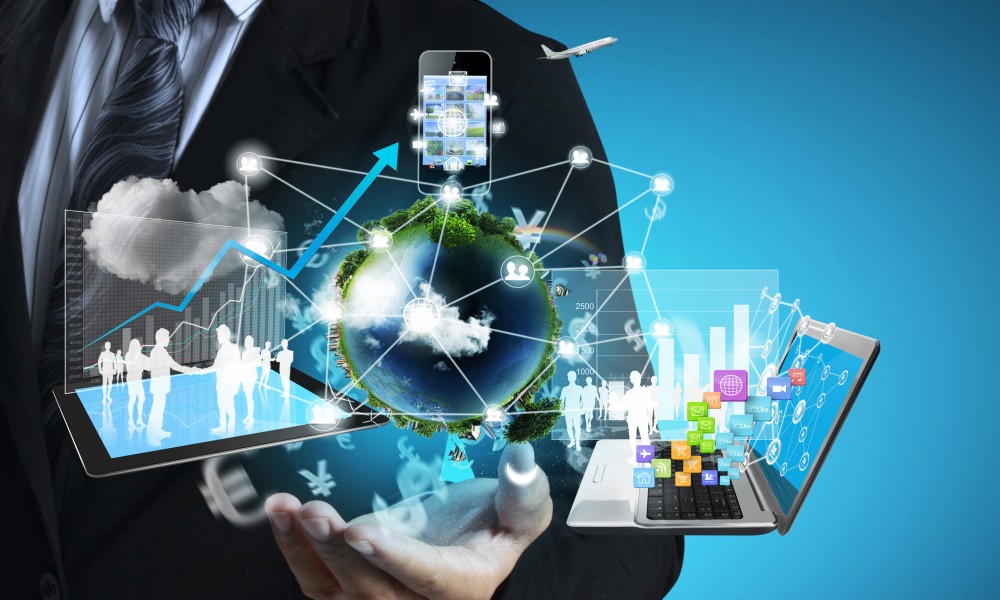
The world’s tech market keeps changing in ways that have never been seen before due to technological advancements and the digital revolution, among other factors. Technology is transforming industries and business operations in areas like artificial intelligence and cloud computing. To thrive in this ever-changing market environment, it is vital to understand its trends.
Growth and Digital Revolution
In the last ten years, the tech market has undergone significant expansion. Companies are using digital revolution approaches to remain relevant in their respective industries. For example, companies are switching to cloud-based operations, automation, and utilizing data analytics.
The ongoing coronavirus outbreak has also intensified this trend as companies have shifted to remote working arrangements and digital communication channels. Even sectors like agriculture and manufacturing are embracing technological advancements.
Key Trends Shaping the Tech Market
Several major trends are currently influencing the tech market:
-
Artificial Intelligence and Machine Learning
AI and ML are no longer futuristic concepts—they are now integral to business operations. Companies use AI for customer service (chatbots), predictive analytics, fraud detection, and personalized marketing. The demand for AI-driven solutions continues to rise as businesses seek smarter and faster ways to operate.
-
Cloud Computing Dominance
Cloud technology has become the backbone of modern IT infrastructure. Businesses prefer cloud services due to scalability, flexibility, and cost-efficiency. The shift from on-premise systems to cloud platforms is expected to continue, with hybrid and multi-cloud environments becoming the norm.
-
Cybersecurity Importance
As digital adoption increases, so do cyber threats. Organizations are investing heavily in cybersecurity to protect sensitive data and maintain customer trust. The rise in ransomware attacks and data breaches has made cybersecurity a top priority for companies worldwide.
-
Internet of Things (IoT)
The IoT devices are revolutionizing our interactions with technology. Whether it be home automation or industrial automation, IoT is changing our world by allowing real-time data collection and automation capabilities. This technology is most prominent in fields such as healthcare, logistics, and manufacturing.
-
Blockchain Technology
Starting out as a platform for cryptocurrencies, blockchain technology is now gaining traction in secure transactions and logistics. The decentralized nature of blockchain technology allows it to be useful in several different fields.
Problems in the Tech Market
While the tech market is expanding, there are problems it must solve before they alter its course:
-
Talent Scarcity
There are more job openings than talented candidates available in the tech industry. Jobs in artificial intelligence, cybersecurity, and programming have become challenging positions for companies to fill.
-
Regulatory Problems
Countries across the globe have been implementing laws and policies aimed at protecting consumers’ data privacy and ensuring cybersecurity. These policies are crucial, but compliance can be troublesome for firms that work across several jurisdictions.
-
Increased Competition
There is an increased level of competitiveness in the tech sector as both startups and established firms compete with one another in innovation and efficiency.
-
Data Privacy Concerns
With increasing data collection, consumers are becoming more aware of privacy issues. Companies must ensure transparency and responsible data handling to maintain trust and avoid legal consequences.
Opportunities for Businesses
The evolving tech market presents numerous opportunities for businesses willing to adapt and innovate:
-
Expansion into Emerging Markets
Developing regions are experiencing rapid digital adoption, offering new markets for tech products and services. Companies can tap into these opportunities by providing affordable and scalable solutions.
-
Investment in Innovation
Organizations that invest in research and development can stay ahead of the curve. Emerging technologies such as quantum computing, augmented reality, and edge computing hold immense potential for future growth.
-
Collaboration and Partnerships
Strategic partnerships between tech companies, startups, and traditional businesses can drive innovation and expand market reach. Collaboration enables companies to combine expertise and deliver more comprehensive solutions.
-
Customer Experience
With technology, businesses can improve the experience of customers by tailoring services to their needs and providing quick and convenient transactions. Businesses focusing on user experience are better able to develop strong connections with customers.
Future Prospects
The outlook for the future of the tech industry is positive, with constant innovations anticipated in different areas. Technologies like 5G, artificial intelligence, and automation are expected to revolutionize industries, leading to new business opportunities and income streams.
Sustainability is another factor being considered, with many businesses adopting green tech solutions and minimizing their carbon footprints. In the coming years, there could be an increase in green tech solutions.
The integration of technology in people’s daily lives will also become more pronounced, with technologies like smart cities and autonomous vehicles becoming more prevalent.
Conclusion
The technology industry is characterized by continuous evolution where both threats and opportunities abound. In light of the continuous advancement of technology, companies need to be adaptive and responsive to new trends in order to succeed. Through digitalization, adoption of new technologies, and focus on consumer needs, companies can prosper in an ever-changing business environment.Ultimately, success in the technology industry hinges upon one’s ability to innovate, cooperate, and take the lead amid change.
