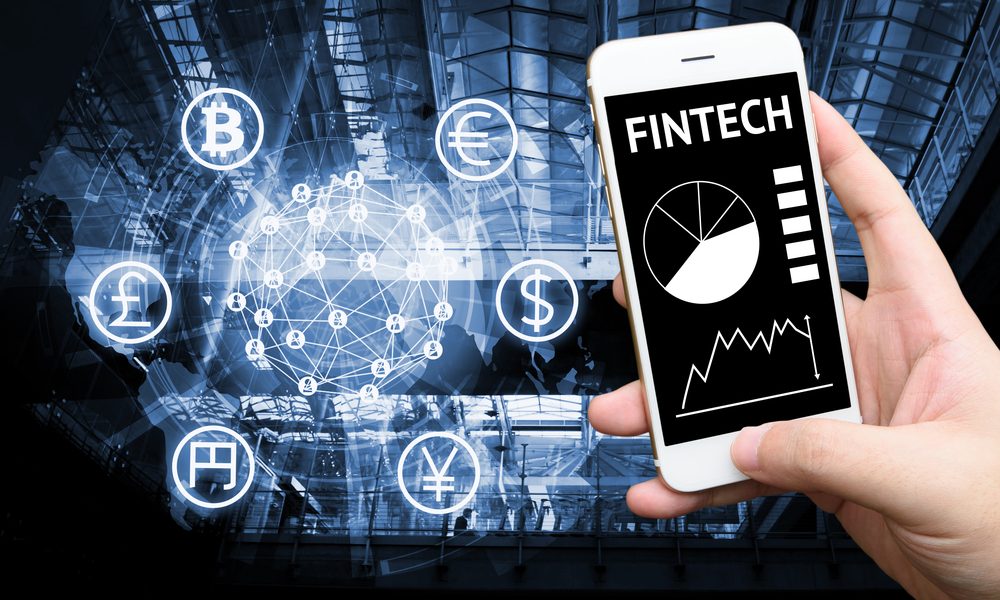
Financial technology has grown by leaps and bounds over the last few years. Now as we are about to step into 2026, it has come far from its disruptive roots to become an indispensable part of modern financial systems. In addition to the adoption of AI and blockchain solutions, fintech 2026 will witness the creation of a more accessible and efficient financial system for all users.
Hyper-Personalization through AI
One of the most significant fintech trends in 2026 is artificial intelligence. With the use of machine learning algorithms, banks and fintech firms will offer more personalized finance services to their customers. For instance, they could provide financial advice or suggest ways to improve your budgeting.
Decentralized Finance: The DeFi Expansion
Decentralized Finance (DeFi), in spite of its growing competition with traditional banks, keeps on pushing further towards the center. Being built on blockchain technology, DeFi allows people to use financial instruments like loans, trades, and other related operations without the involvement of any intermediaries.
As of 2026, DeFi becomes easier to use and regulate, which positively impacts its popularity among customers. Thanks to smart contracts, there is no need for any intermediary operations, while decentralized exchanges offer much higher levels of asset management freedom.
Digital Payments and Cashless Economies
The trend towards cashless payments has seen exponential growth around the world. Mobile wallets, contactless payments, and QR payments have become the rule rather than the exception. The use of physical cash is becoming increasingly less common in many countries.
Central Bank Digital Currencies (CBDCs) are also growing in popularity. Nations are looking into developing a digital equivalent of their local currencies in order to enhance financial inclusion and modernize monetary systems.
Embedded Finance: Banking Everywhere
Embedded finance is one of the top fintech trends that will dominate in 2026. Financial services are becoming embedded in non-financial platforms. Whether it is instant credit on an online retail platform or insurance from a ride-hailing app, consumers can access financial services instantly.
The development of BaaS (Banking-as-a-Service) makes it possible for any business to offer financial services without having to establish itself as a fully functioning bank. The benefits of this trend include increased convenience for users and extra sources of income for businesses.
Financial Inclusion Enhanced
Fintech services play an important part in making access to financial services more equal among populations. Given the prevalence of mobile internet access, this goal becomes achievable through technological developments.
With digital lending platforms, microfinance services, and mobile banking applications coming up, people have become more empowered when it comes to saving money, investment, and even access to loans. In 2026, fintech is not only about innovation but also about inclusion and empowerment in terms of economic benefits across the globe.
Cybersecurity and Data Privacy
There are growing concerns regarding the issue of cybersecurity due to the increase in the number of financial transactions online. It is important for companies to ensure that the information of their clients is safe. This can be done through investments in biometric technology, encryption, and even blockchain identity verification.
Data privacy laws are becoming tougher for the benefit of the users.
Conclusion
In 2026, the fintech space will embody a fusion of creativity, ease, and intelligence. As the developments in artificial intelligence continue, decentralized finance flourishes, digital payments expand, and financial services become more ubiquitous, fintech is changing the game when it comes to handling money.
Technology has never been more advanced, and its influence on fintech means that the future of finances is not only going digital but also becoming increasingly intelligent.
Leave a Reply