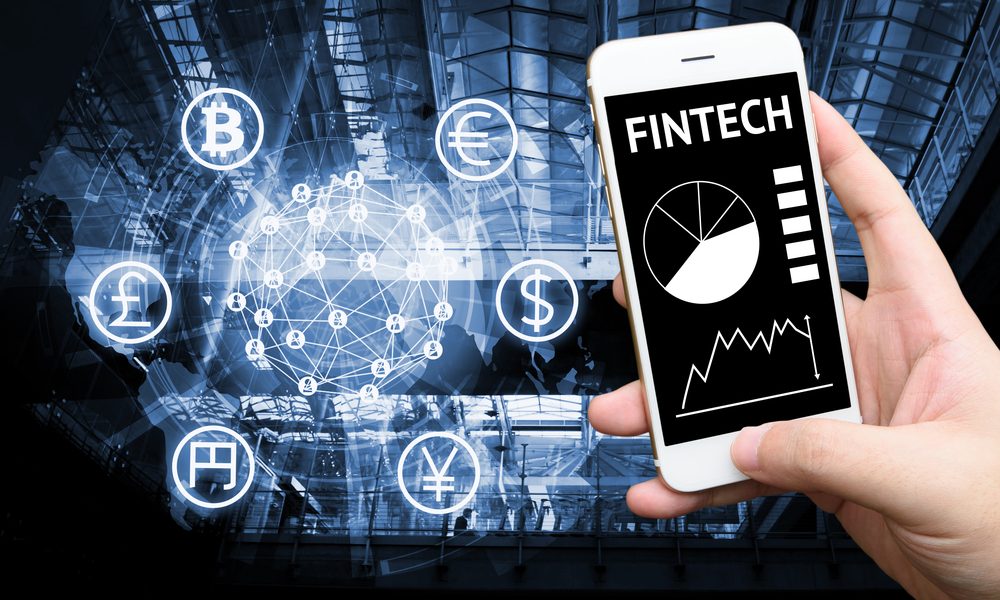
A lot of changes have occurred within the financial services industry over time, and some of these changes are being brought about by the fast growth of financial technology, referred to as fintech in common language. Financial technology or fintech services offer an advanced way of handling finances, investments, lending, and transferring money through the combination of technology and finance.
Today, the use of fintech services has become a necessity because of the need to adopt innovative ways of carrying out transactions.
What Are Fintech Services?
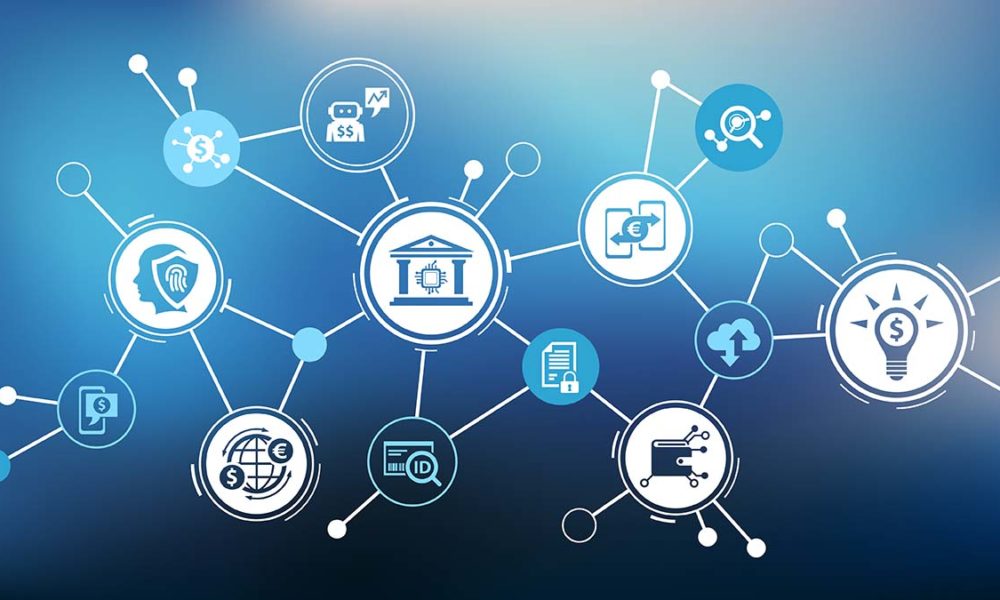
The term fintech services can be defined as financial services that utilize technology to provide various kinds of benefits to users. These services can vary considerably, but all of them are created for the sake of providing additional conveniences for customers, minimizing expenses, and increasing the accessibility of services. Some popular examples include online payments, lending services, wealth management technologies, insurtech, and blockchain-based solutions.
In contrast to traditional financial organizations, fintech companies focus on fast and convenient services that promote innovations.
Types of Fintech Services
Digital Payments and Transactions
Digital payments and transactions have become one of the most popular fintech services around the globe. Due to such innovations as mobile wallets and UPI systems, users can transfer money instantly and do many other things, from paying bills to shopping online.
International payments have become faster and cheaper because of fintech technologies.
Online Lending and Credit Services
With the help of fintech, the loan application process has become much easier and faster. Online platforms use complex algorithms and other data sources to calculate the borrower’s credit score and determine whether the loan application should be approved.
As a result, many small businesses and people have an opportunity to obtain loans and contribute to the economic development of society.
Investment Management and Robo-Advisers
It used to be true that only wealthy people were able to benefit from financial planning and asset management. However, today, thanks to fintech, users can utilize robo-advisers that will create personalized investment plans based on their finances.
These fintech products allow users to invest with ease.
Insurance Services (InsurTech)
The field of insurance has greatly improved thanks to insurtech innovations. Customers can purchase their insurance policies and file claims online and enjoy a faster service due to the use of artificial intelligence.
In addition, fintech products allow customers to customize their insurance policies.
Blockchain and Cryptocurrency Solutions
Blockchain technology has brought about a new dimension of transparency and security in the financial services industry. Cryptocurrencies and DeFi platforms run on this technology and enable peer-to-peer transfers of value without intermediaries.
Though these technologies are still under development, there is growing adoption due to their ability to bring down costs and enhance efficiency within financial service systems.
Advantages of Fintech Services
There are many advantages associated with fintech services that explain their widespread use today:
Convenience: Easy access to financial services anytime and anywhere using mobile applications.
Speed: Quicker transaction and approval processes.
Affordability: Cheaper compared to services offered by traditional financial institutions.
Access: Provision of financial services to unserved and underserved populations.
Innovations: Innovations using technologies such as AI and blockchain.
Future of Fintech Services
Fintech services have a bright future ahead of them as they continue evolving through artificial intelligence and blockchain technology among other innovations. Embedded finance, open banking, and personalized financial solutions are among the future trends to expect in this sector.
As fintech services grow, they are bound to be integrated into people’s lives in a way that makes everything about finances seamless. Business people will embrace fintech in order to provide customers with better experiences whereas consumers will gain the power to determine the best for themselves when it comes to financial matters.
Conclusion
Fintech services are revolutionizing the financial sector by making things easier, faster and more innovative than ever before. People can now pay for goods and services with ease thanks to the emergence of fintech.
Despite some challenges like security and regulatory issues, the impacts of fintech are positive. As innovation becomes the norm, there is no doubt fintech services will take another leap in the financial industry.